Unleashing Creativity with the Teddy Bear Display Font
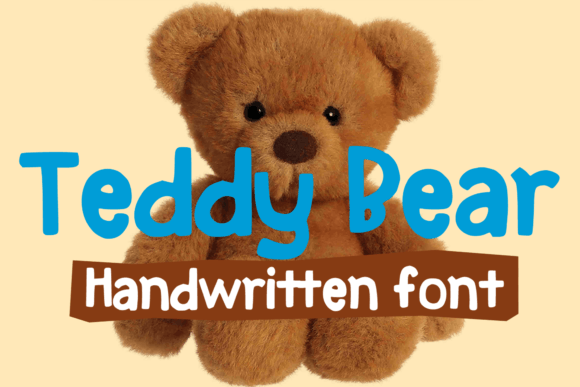
In the competitive world of graphic design, finding the right typeface is often the difference between a project that feels generic and one that resonates deeply with its audience. Designers, small business owners, and content creators are constantly searching for resources that balance professionalism with personality. This is where Teddy Bear steps in as a transformative tool. More than just a collection of letters, Teddy Bear is a fun and cute display font designed to elevate a wide range of design projects to the highest level. Whether you are crafting a brand identity for a children's boutique or illustrating a whimsical storybook, this typeface offers the versatility and charm needed to make your work stand out.
Understanding the Role of Playful Typography
Many adults approaching design projects face a common challenge: how to convey warmth and approachability without sacrificing legibility or quality. Traditional serif or sans-serif fonts often feel too rigid or corporate for projects requiring a human touch. The goal is to create an emotional connection instantly. When viewers see a design, they should feel invited, comforted, or amused, depending on the context. This is the specific need that Teddy Bear addresses. By utilizing rounded strokes and a bouncy baseline, this font injects a sense of joy and nostalgia into visual communications.
The necessity for such a font arises in various situations. A startup launching a line of organic baby products needs packaging that screams "safe" and "cuddly." An educator creating materials for a kindergarten classroom needs text that looks friendly rather than intimidating. In these scenarios, standard fonts fail to capture the essence of the message. Teddy Bear fills this gap by providing a typographic voice that is inherently cheerful and engaging, allowing creators to focus on their core message while the font handles the emotional tone.
Practical Applications Across Industries
The true value of a display font lies in its adaptability. Teddy Bear is not limited to a single niche; rather, it serves as a versatile asset for a multitude of design ideas. Its unique characteristics allow it to shine in contexts where personality is paramount. Below are several key areas where this font can be implemented to achieve outstanding results:
- Stickers and Stationery: The playful nature of Teddy Bear makes it ideal for die-cut stickers, planners, and greeting cards. The thick strokes ensure readability even at smaller sizes, while the cute aesthetic appeals to buyers looking for something unique.
- T-Shirt Designs: Apparel brands focusing on casual wear, family matching sets, or youth fashion can use this font to create eye-catching graphics. It adds a cool touch to designs that might otherwise look flat, turning a simple phrase into a statement piece.
- Kids' Storybooks: Illustrators and self-publishing authors can utilize Teddy Bear for titles and chapter headings. The font's whimsical style complements hand-drawn illustrations, helping to immerse young readers in the story before they even read the first word.
- Logo Designs: For businesses in the pet industry, toy manufacturing, or bakeries, a logo built with Teddy Bear communicates friendliness and trust. It helps new brands establish an identity that feels established yet accessible.
- Magazine and Book Covers: Editors looking to highlight lifestyle articles, parenting guides, or humor sections can use this font to draw attention. It breaks up the seriousness of standard editorial layouts, signaling to the reader that the content inside is light and enjoyable.
- Comics and Cartoon Drawings: Speech bubbles and sound effects benefit greatly from the dynamic shape of Teddy Bear. It mimics the hand-lettered style often found in classic comics, adding authenticity to modern digital illustrations.
Tailoring the Font to Different User Needs
Different users will approach the implementation of Teddy Bear based on their specific goals. A professional graphic designer might use the font as a primary headline element, pairing it with a clean, neutral sans-serif for body text to create a balanced hierarchy. In this context, the font acts as the "hero" of the design, drawing the eye immediately. Conversely, a small business owner with limited design experience might use Teddy Bear for social media graphics or promotional flyers. Because the font is so distinct, it requires minimal embellishment; the typeface itself does the heavy lifting, ensuring that even simple layouts look polished and intentional.
For educators and parents creating home-school materials or party invitations, the focus is often on clarity and engagement. Here, Teddy Bear serves as a bridge between fun and function. It ensures that information is presented in a way that feels inviting to children while remaining readable for adults. This dual appeal is crucial for projects targeting families. By choosing a font that naturally embodies the spirit of the occasion, users save time on excessive decorating or complex layering effects.
Maximizing Impact with Strategic Design Choices
To get the most out of Teddy Bear, it is important to consider color, spacing, and pairing. While the font is inherently cute, its impact can be amplified through thoughtful design choices. For instance, using bright, saturated colors can enhance the energetic vibe, making it perfect for summer campaigns or toy advertisements. Alternatively, pastel tones can soften the look, creating a soothing aesthetic suitable for nursery decor or baby shower invitations.
Spacing, or kerning, is another critical factor. Because display fonts often have unique character shapes, giving them enough room to breathe prevents the design from feeling cluttered. When using Teddy Bear for logos, increasing the letter spacing slightly can add a sense of luxury and ease, proving that "cute" does not have to mean "messy." Furthermore, pairing this font with textured backgrounds, such as paper grains or fabric patterns, can enhance its tactile feel, making digital designs appear more organic and handcrafted.
Elevating Your Brand Identity
Ultimately, the decision to use a specific font is a strategic one. It signals to your audience who you are and what you value. By integrating Teddy Bear into your creative toolkit, you are choosing to prioritize connection and joy. This font will add a cool touch to your designs, distinguishing them from the sea of generic templates that dominate the market. Whether you are designing a comic strip that brings laughter to readers or a book cover that promises an adventure, the right typography sets the stage.
In a digital landscape where attention spans are short, the ability to communicate emotion instantly is invaluable. Teddy Bear offers a solution that is both practical and inspiring. It removes the barrier between a good idea and a great execution. By understanding the diverse applications—from t-shirt designs to amazing logo concepts—creators can leverage this resource to build stronger, more memorable brands. The result is a portfolio of work that not only looks professional but also feels alive, proving that the smallest details, like the curve of a letter, can make the biggest difference.