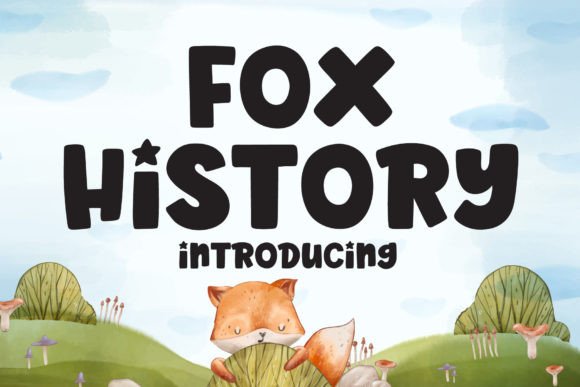
Fox History: Infusing Playful Personality into Modern Design Workflows
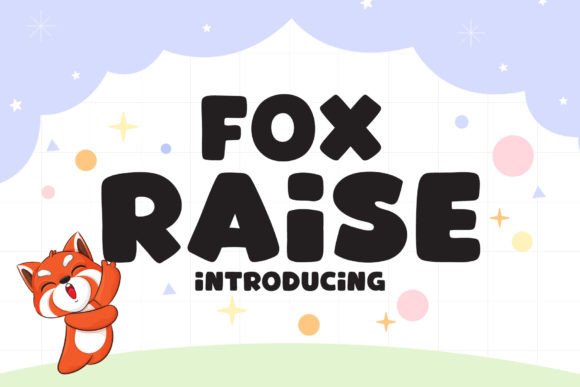
In an era where digital saturation is the norm, capturing attention has become increasingly difficult for creators and businesses alike. The visual landscape is crowded with sterile, corporate aesthetics that often blend into one another, making it hard for brands to establish a unique identity. This is where Fox History emerges as a vital tool for designers seeking to break the mold. Far more than just a collection of characters, Fox History is a lively and playful display font that is perfect for adding a touch of fun and cheer to any design project. Crafted with a focus on creativity and originality, this font features bold and expressive characters that are guaranteed to make your designs stand out in a sea of uniformity.
The relevance of such a typeface extends beyond mere aesthetics; it speaks to a shifting cultural current. As audiences grow weary of overly polished and impersonal interfaces, there is a growing demand for authenticity and human connection in visual communication. Fox History answers this call by offering a typographic voice that feels approachable, energetic, and distinctly human. Whether you are a marketer launching a new campaign, a blogger refreshing your site, or an entrepreneur packaging a product, understanding how to leverage this kind of expressive typography can significantly enhance your engagement rates.
The Shift Toward Expressive Typography in Branding
For decades, the dominant trend in corporate branding leaned heavily towards minimalism and sans-serif neutrality. The logic was sound: clean lines suggested efficiency and modernity. However, as technology has democratized design tools, the market has flooded with "safe" choices, resulting in a homogenization of visual identity. Consumers today are smarter and more discerning; they can spot a generic template from a mile away. Consequently, we are witnessing a pendulum swing back toward personality-driven design.
This is where the specific characteristics of Fox History become strategically important. Its lively nature allows brands to inject warmth into their communications without sacrificing legibility. In a workflow dominated by data analytics and conversion metrics, it is easy to forget that humans are the ones clicking the buttons and reading the copy. A font that exudes cheerfulness can lower psychological barriers, making a brand feel less like a faceless entity and more like a friendly companion.
Consider the evolution of user expectations. Modern users do not just want information; they want an experience. They crave interactions that feel organic and spirited. When a business integrates a bold and expressive typeface like Fox History into its header graphics, social media posts, or packaging, it signals confidence. It tells the audience that the brand is not afraid to show some character. This alignment with current market preferences for authenticity makes such fonts not just a stylistic choice, but a strategic asset.
Practical Applications Across Industries
The versatility of Fox History allows it to transcend niche boundaries. While its playful roots might suggest it is only suitable for children's products or party invitations, its bold structure gives it the weight needed for broader commercial applications. Here is how different professionals can integrate this font into their daily workflows:
- Marketing and Advertising: Campaigns often struggle to cut through the noise of social media feeds. Using Fox History for headline text in Instagram stories or Facebook ads can instantly arrest the scroll. Its cheerful vibe is particularly effective for seasonal promotions, lifestyle brands, and community-focused initiatives.
- E-commerce and Packaging: Unboxing experiences have become a crucial part of the customer journey. Printing Fox History on box tape, thank-you cards, or product labels adds a layer of delight that encourages customers to share their purchase online, effectively turning them into brand ambassadors.
- Content Creation and Blogging: For educators and bloggers, retaining reader attention is paramount. Breaking up long-form content with subheaders styled in Fox History can make dense information feel more digestible and inviting, encouraging readers to stay on the page longer.
- Event Planning and Hospitality: From menu boards to event signage, the atmosphere of a venue is set by its visual cues. A font that radiates fun can elevate the perceived energy of a space, making guests feel welcome and ready to engage.
The key to successful implementation lies in balance. Because Fox History is a display font with strong personality, it works best when paired with a neutral, highly legible body font. This contrast ensures that the playful elements pop without overwhelming the reader or compromising accessibility.
Adapting to Changing Creative Habits
The way we create and consume content has changed drastically in recent years. The rise of short-form video, ephemeral stories, and mobile-first browsing means that designers have mere seconds to make an impression. Static, boring typography simply does not perform well in these fast-paced environments. Creators are increasingly looking for assets that convey mood and tone instantly.
Fox History fits seamlessly into this accelerated workflow. Its expressive nature means that less graphic manipulation is required to achieve a dynamic look. Instead of spending hours warping text or adding complex textures to make a standard font look interesting, a designer can simply apply Fox History and achieve an immediate impact. This efficiency is crucial for freelancers and small business owners who often wear multiple hats and need to produce high-quality visuals quickly.
Furthermore, the demand for originality has never been higher. With AI-generated content becoming more prevalent, human creativity is being valued for its idiosyncrasies. A font that feels hand-crafted and unique helps anchor a project in human expression. It serves as a reminder that behind every brand is a team of people with ideas and emotions. By choosing a typeface that defies the rigid grids of traditional corporate design, professionals signal that they prioritize creativity and original thought.
Navigating Trends Without Losing Timelessness
While it is important to ride the wave of current trends, savvy designers know the danger of chasing fads that will look dated in six months. The beauty of Fox History lies in its ability to be trendy yet timeless. Its playfulness taps into a universal desire for joy, which never goes out of style, while its bold construction ensures it remains readable and impactful across various mediums.
To avoid the trap of looking too "of the moment," consider using Fox History selectively. Reserve it for moments that require emotional resonance—celebrations, announcements, calls to action, or brand storytelling. By anchoring these high-emotion touchpoints with a distinctive font, you create memorable associations without saturating your entire visual identity. This approach ensures that your brand evolves with the times while maintaining a core recognition factor.
It is also worth noting the technical considerations. As we move toward more diverse screen sizes and resolutions, ensuring that display fonts render correctly is essential. Fox History is crafted with clear character definition, which helps maintain its integrity on both high-resolution retina displays and smaller mobile screens. This adaptability is a non-negotiable requirement for modern design assets.
Making the Choice for Your Next Project
Ultimately, the decision to use a specific typeface should always come down to the message you wish to convey. If your goal is to communicate stability, tradition, or severe professionalism, a classic serif might be appropriate. But if your objective is to inspire, delight, and connect on a human level, Fox History offers a compelling solution. It bridges the gap between professional polish and creative freedom.
For entrepreneurs and business owners, investing in unique typography is an investment in brand equity. It differentiates you from competitors who are likely using the same default system fonts. For creators and hobbyists, it provides a sandbox for experimentation, allowing you to push the boundaries of what your designs can say. The tactile feel of its bold strokes invites interaction, turning passive viewers into active participants.
In conclusion, the integration of lively and playful elements into design is not just a fleeting trend; it is a response to a deeper human need for connection and joy in our daily interactions with technology and commerce. Fox History stands out as a premier choice for those ready to embrace this shift. By incorporating its bold and expressive characters into your projects, you are not just choosing a font; you are choosing to make a statement. You are declaring that your work matters, that your brand has a personality, and that you understand the power of a little bit of fun in a serious world.
As you plan your next design initiative, consider how typography can do the heavy lifting for your message. Let the cheerfulness of Fox History guide your layout, influence your color choices, and shape the overall tone of your communication. In a marketplace that rewards distinctiveness, giving your designs the space to breathe and play might just be the competitive edge you need.